

To write a winning pediatric nurse resume, demonstrate your experience administering treatments to newborns, infants, adolescents, and teens in both operating room and acute care environments. Show potential employers you have a proven track record of improving clinical workflows and driving positive patient outcomes. In this guide, we’ll provide expert tips and insights to help you translate your health care career into an accomplishment-driven resume.
Most Popular Pediatric Nurse Resumes
Pediatric Registered Nurse Resume
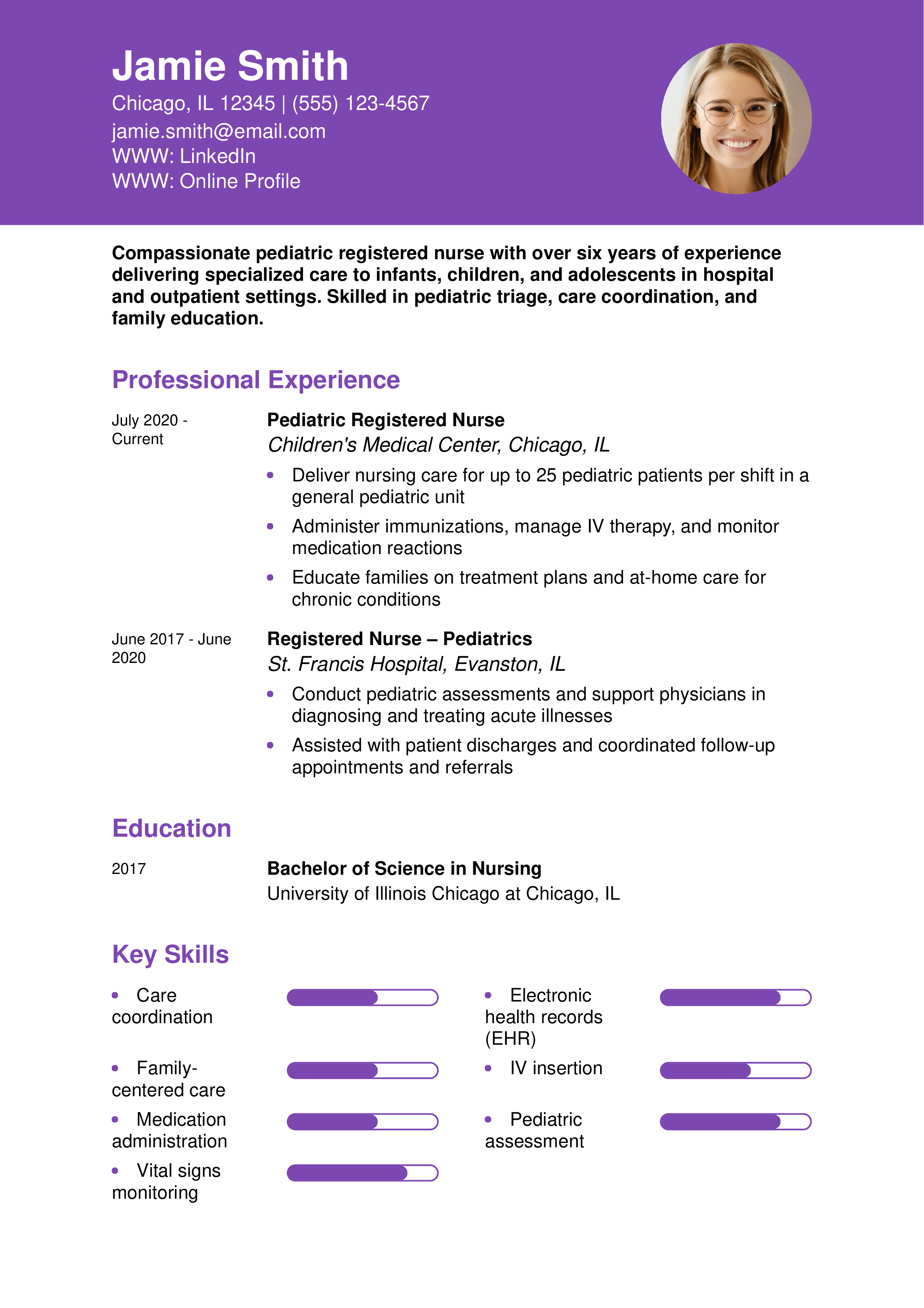
Why This Resume Is a Great Example
This resume provides a solid overview of experience and impact in pediatric nursing settings. Emphasizing family education and patient care responsibilities appeals directly to hiring managers looking for nurses who support children and their families.
Key Tips
Focus on specific populations and care environments, as Jamie did. This adds clarity and purpose to your resume. Learn more about strong resume structure.
Pediatric Home Health Nurse Resume
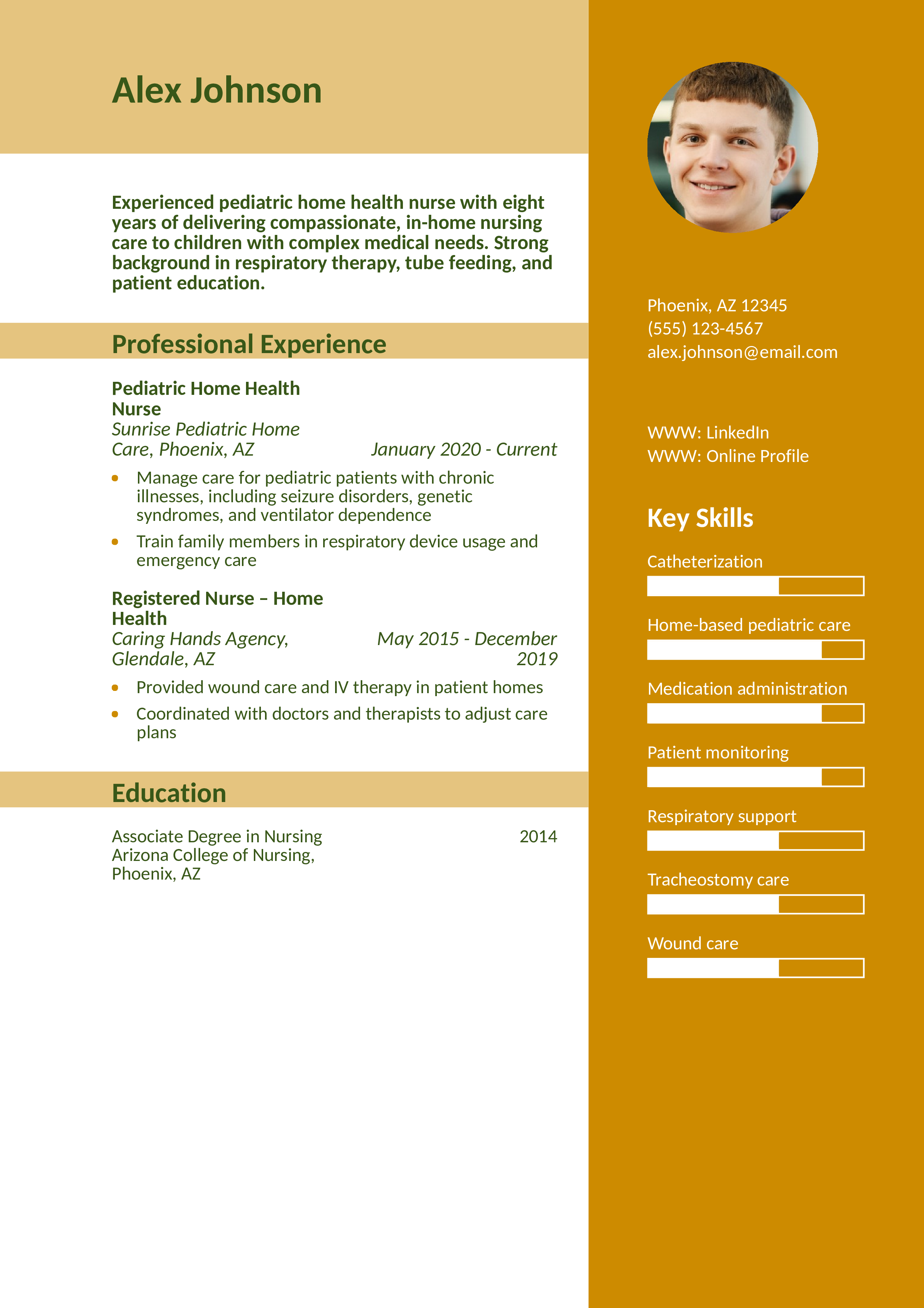
Why This Resume Is a Great Example
This resume does a great job of communicating depth of experience in the home care setting. The clear focus on in-home responsibilities and family instruction shows adaptability and skill in independent care environments.
Key Tips
Tailor your resume to match the job setting. This resume focuses on home-based responsibilities, which makes it more targeted. Read more about customizing resumes.
Pediatric ICU Nurse Resume
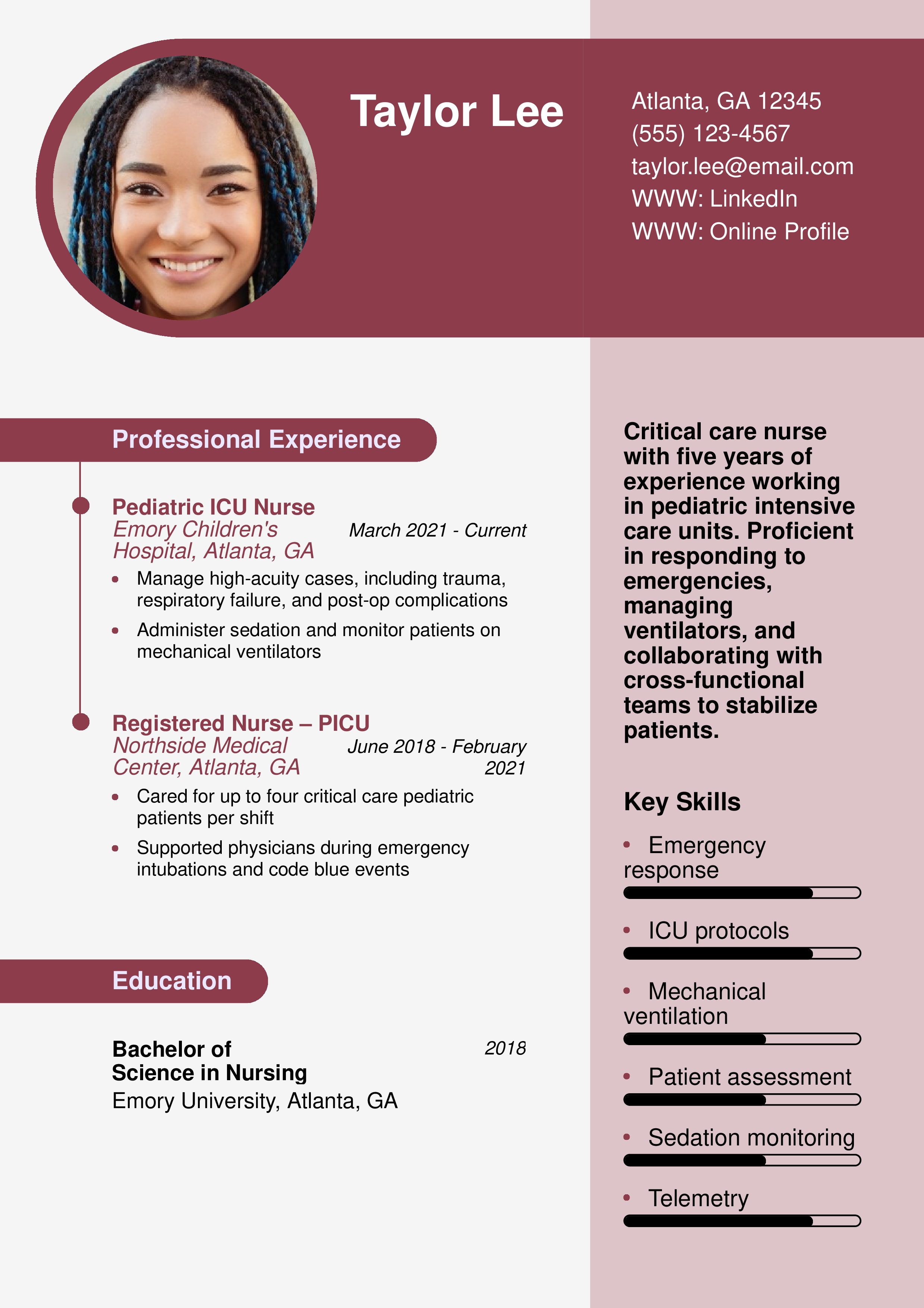
Why This Resume Is a Great Example
This resume emphasizes high-pressure experience and emergency care skills, essential for roles in the pediatric ICU. The layout is structured to highlight technical competencies right after the profile.
Key Tips
Use technical terms and tools familiar to ICU settings, like “mechanical ventilation” or “sedation monitoring,” to appeal to specialized roles. See how to list your experience effectively.
Pediatric Nurse Practitioner Resume
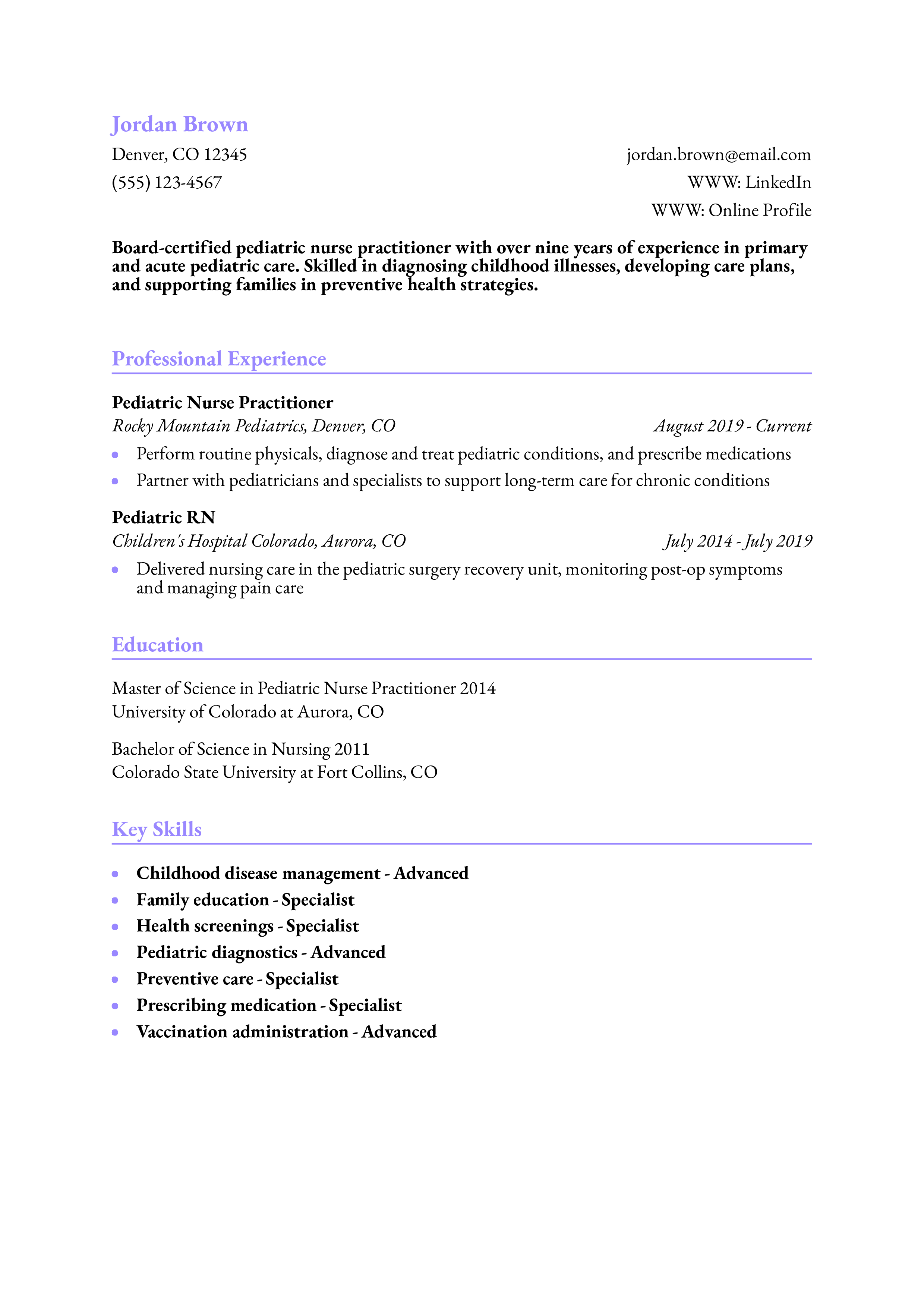
Why This Resume Is a Great Example
This resume shows a clear career progression from registered nurse to advanced practice provider. The inclusion of both degrees emphasizes clinical depth.
Key Tips
Make sure your education and certifications match the advanced role you’re targeting. Review how to format your credentials.
Pediatric Office Nurse Resume
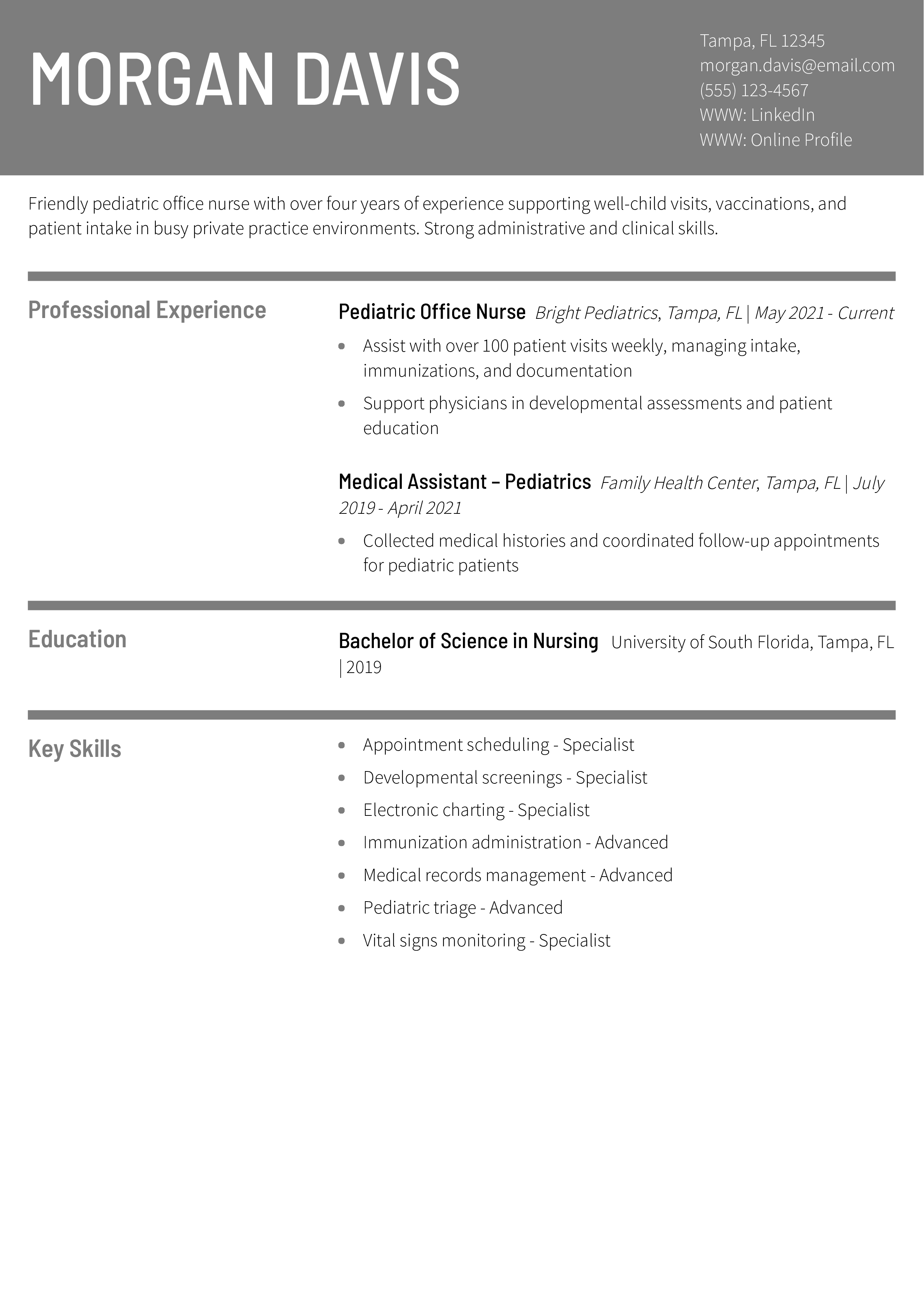
Why This Resume Is a Great Example
This resume highlights experience in outpatient pediatric care, a valuable asset for office nurse roles. Administrative and clinical duties are clearly listed.
Key Tips
Combine soft administrative skills with clinical tasks to show your versatility. Check out more skill ideas.
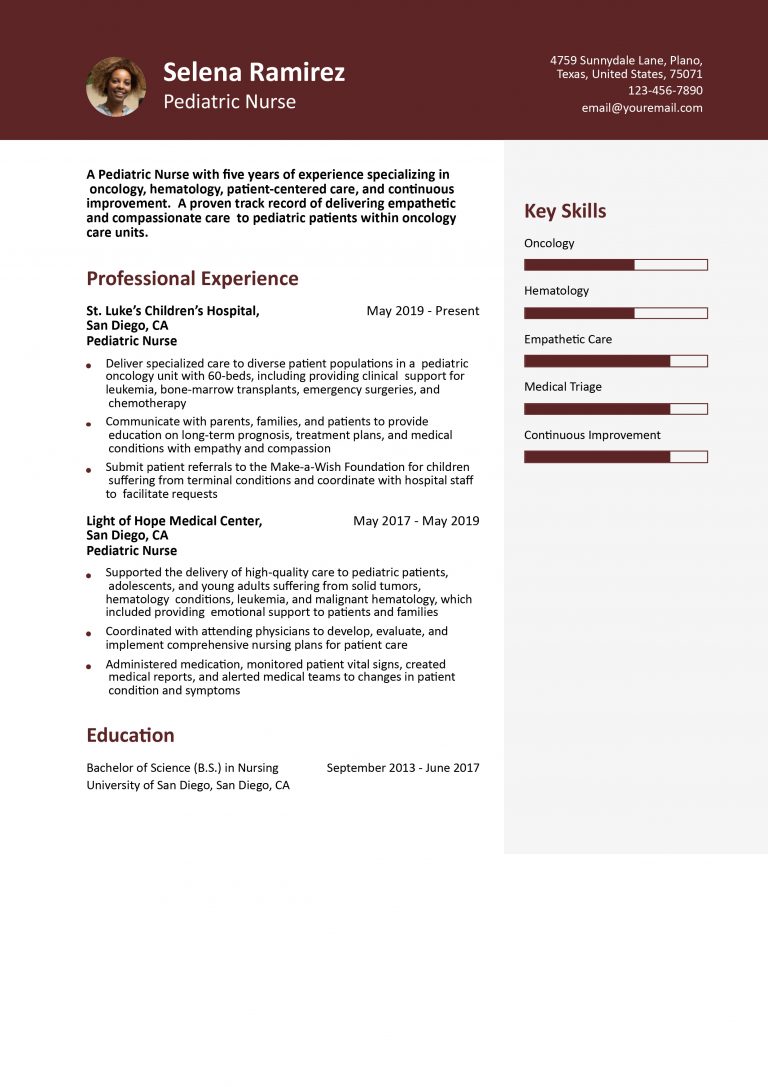
Pediatric Oncology Nurse Resume

Why This Resume Is a Great Example
It demonstrates specialized pediatric oncology skills and compassion, which are essential in this emotionally demanding role. The resume also includes experience in both long-term and acute care settings.
Key Tips
Show empathy in your profile to reflect emotional intelligence, which is critical in oncology roles. See how to do this in a summary.
Staff Pediatric Nurse Resume
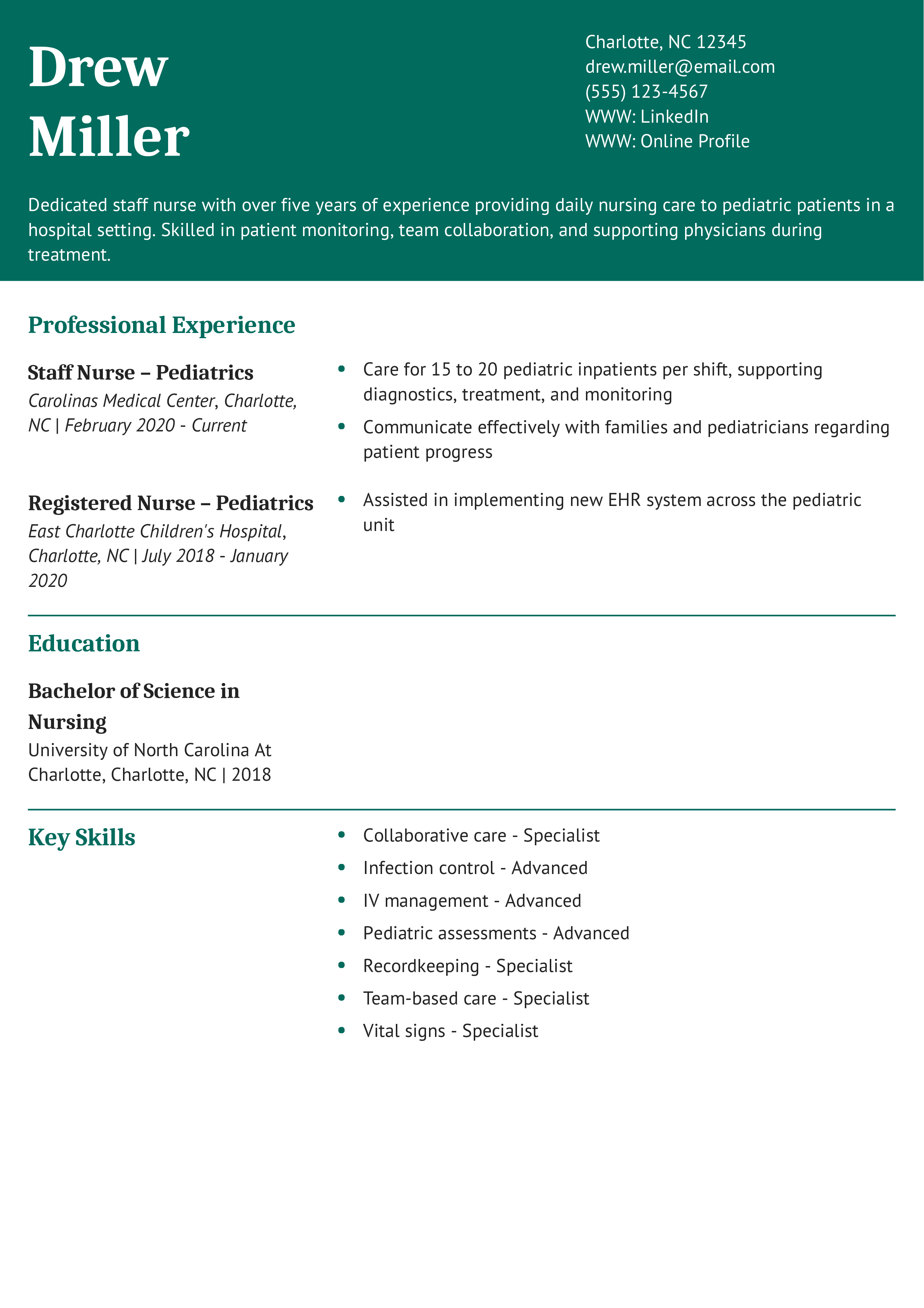
Why This Resume Is a Great Example
This resume gives hiring managers a practical view of what a day in the life looks like for this role. The emphasis on team care and patient load is helpful.
Key Tips
Highlight how many patients you care for daily or per shift to show your capacity. Learn more about quantifying work on resumes.
Pediatric Clinic Nurse Resume
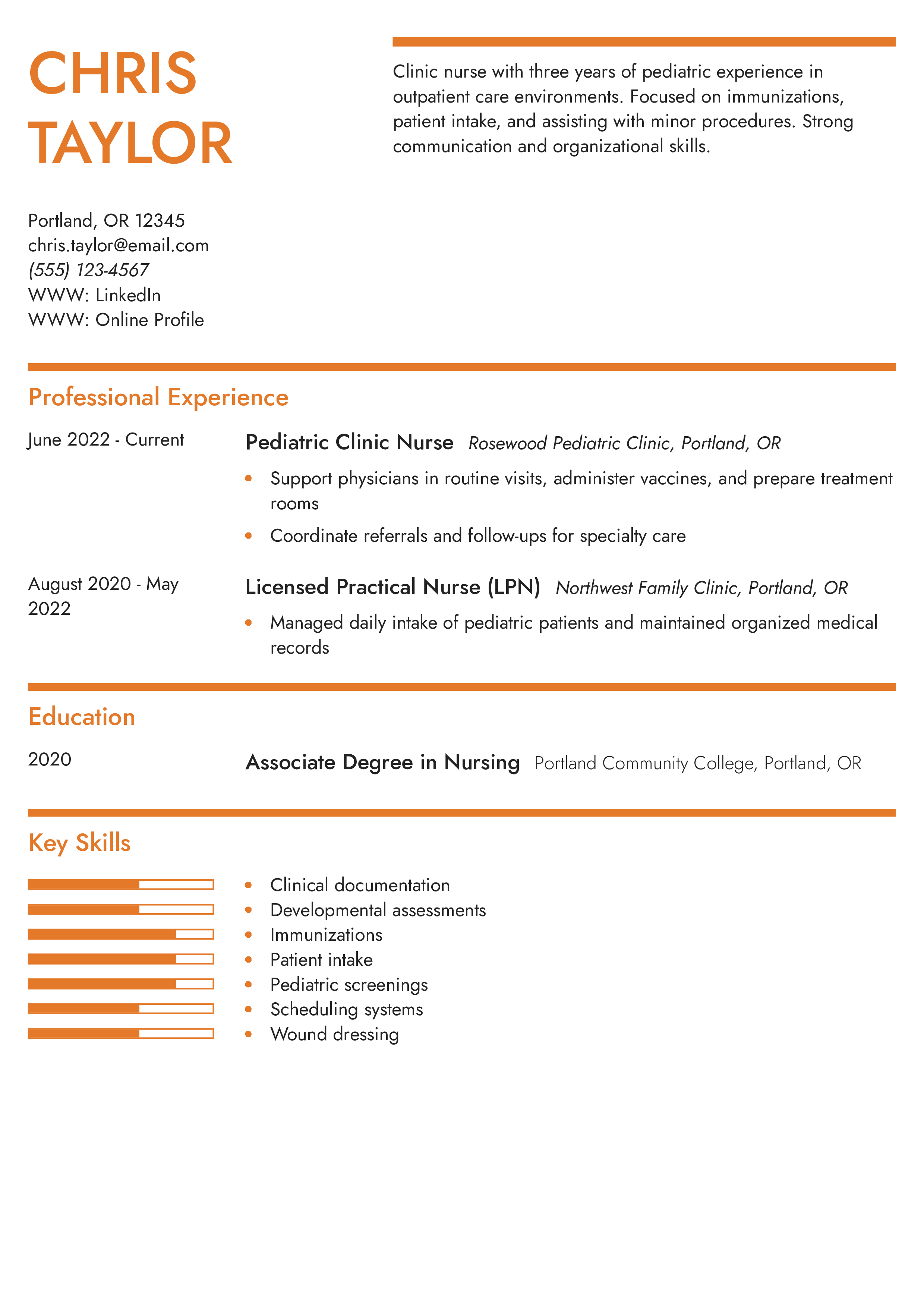
Why This Resume Is a Great Example
This resume focuses on routine pediatric care, which is perfect for clinic settings. It clearly represents administrative and clinical responsibilities.
Key Tips
Don’t underestimate the value of administrative tasks — they show reliability. Discover how to highlight your duties in clinic roles here.
Pediatric Emergency Nurse Resume
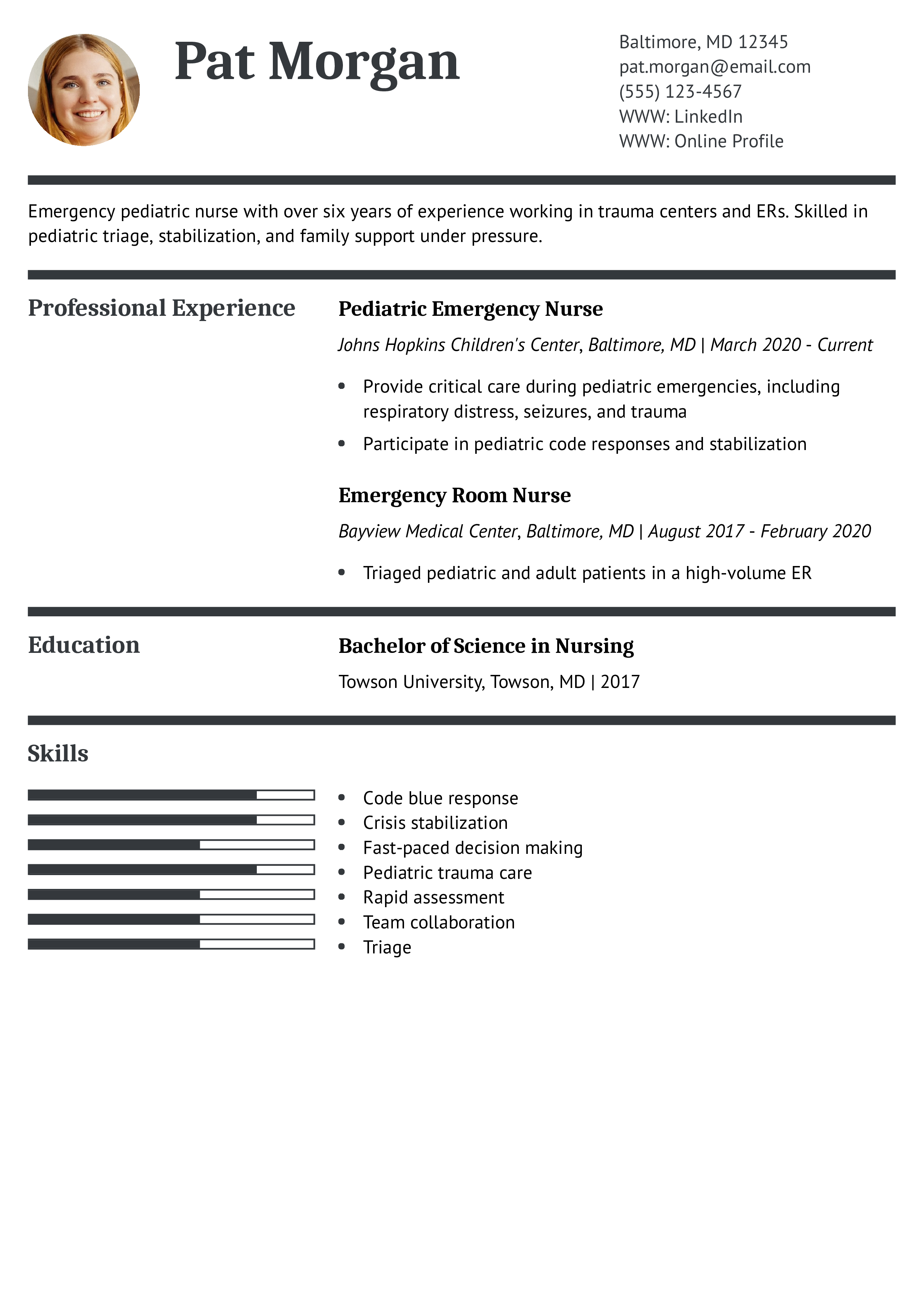
Why This Resume Is a Great Example
This resume shows the ability to thrive in high-stakes environments. The keywords like “code blue” and “triage” speak directly to the urgency of emergency care.
Key Tips
Use terminology that fits emergency medicine so hiring teams can quickly assess fit. Read more about resume language.
Ambulatory Pediatric Nurse Resume
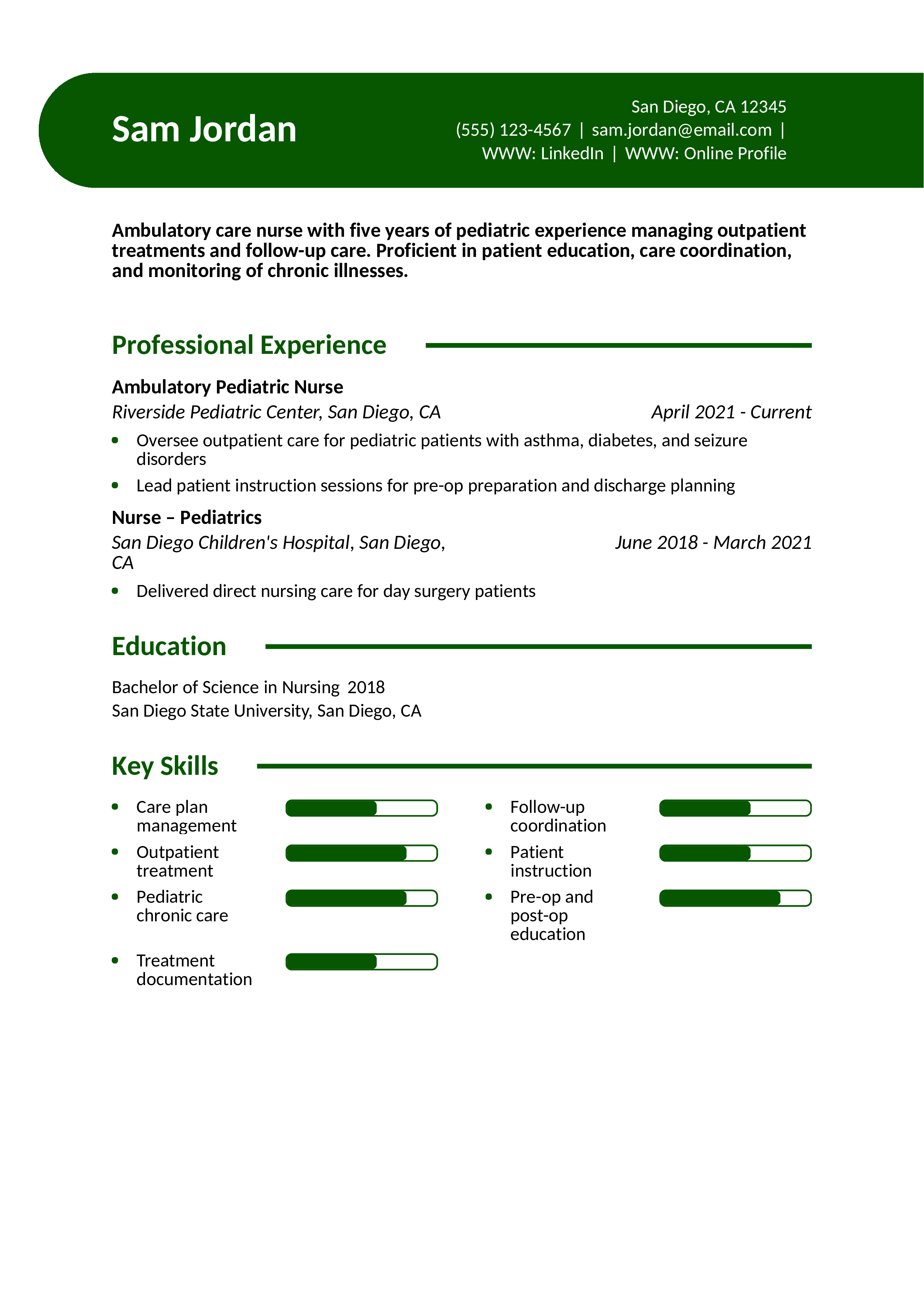
Why This Resume Is a Great Example
This resume strongly demonstrates care beyond the hospital. Its focus on chronic care, outpatient procedures, and coordination is ideal for ambulatory settings.
Key Tips
Tailor your profile to the type of care you provide — ambulatory roles often focus more on coordination than crisis care. Review how far back your resume should go.
Pediatric Rehabilitation Nurse Resume
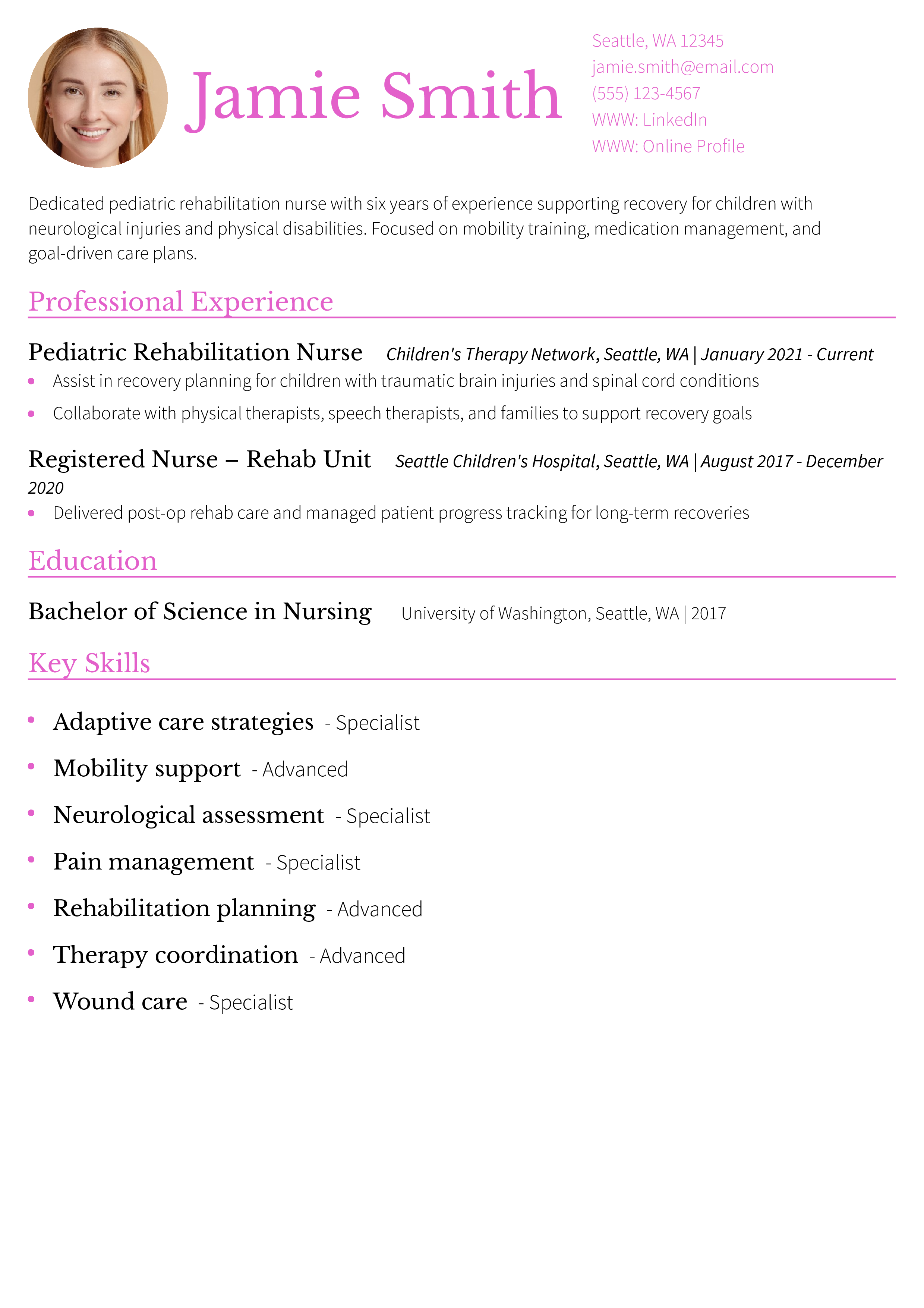
Why This Resume Is a Great Example
This resume captures the interdisciplinary nature of rehab nursing and emphasizes collaboration, outcome tracking, and rehabilitation goals ideal for pediatric recovery settings.
Key Tips
Demonstrate your team-oriented mindset by listing your role in therapy coordination. Explore how to present your resume objective effectively.
Pediatric Travel Nurse Resume
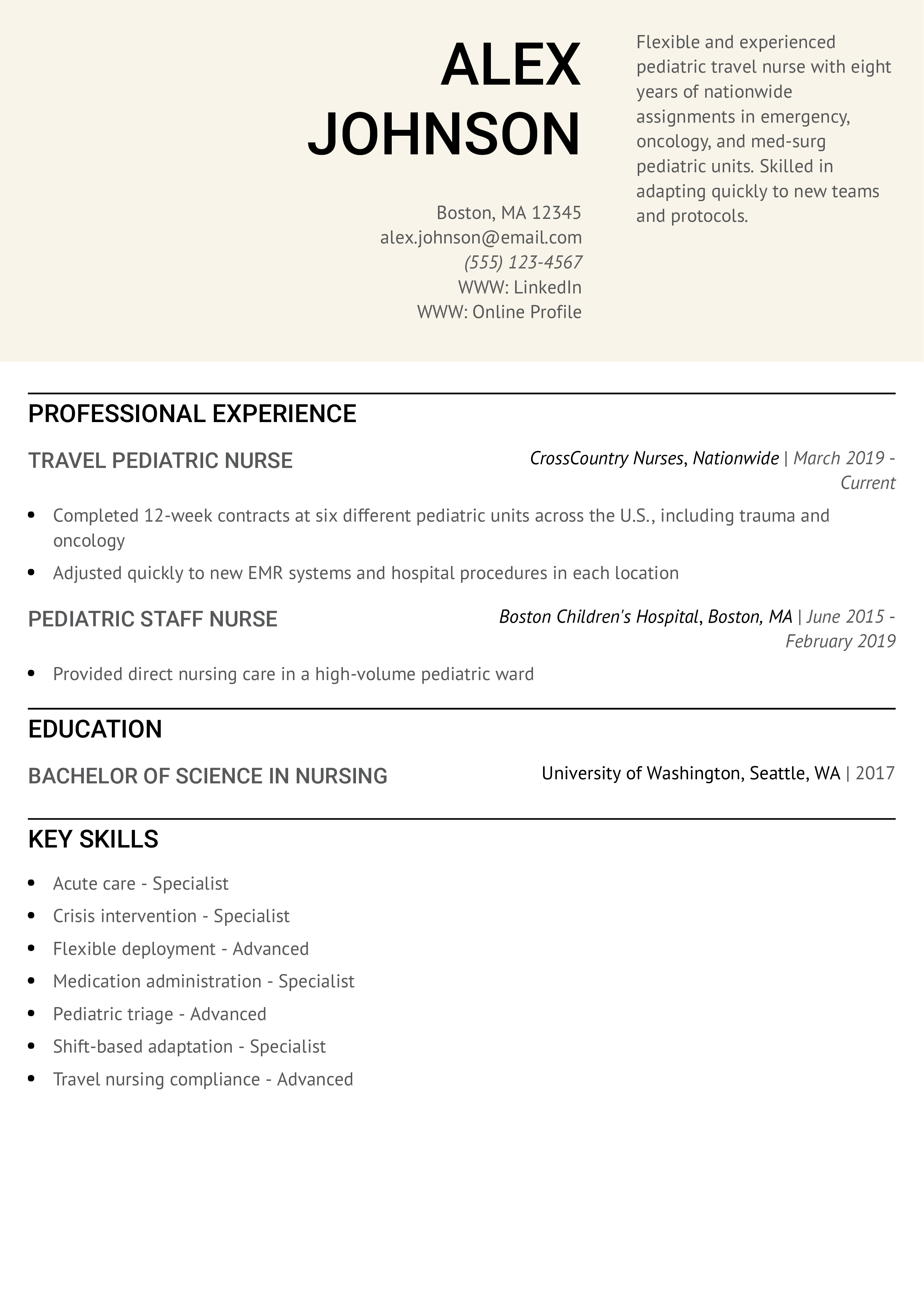
Why This Resume Is a Great Example
This resume highlights adaptability, a critical skill for travel nurses. It shows diverse experience across pediatric subspecialties, supported by consistent timeframes.
Key Tips
If you’re a travel nurse, name the states or departments where you worked to show range. Read how to list diverse roles.
Pediatric Surgical Nurse Resume
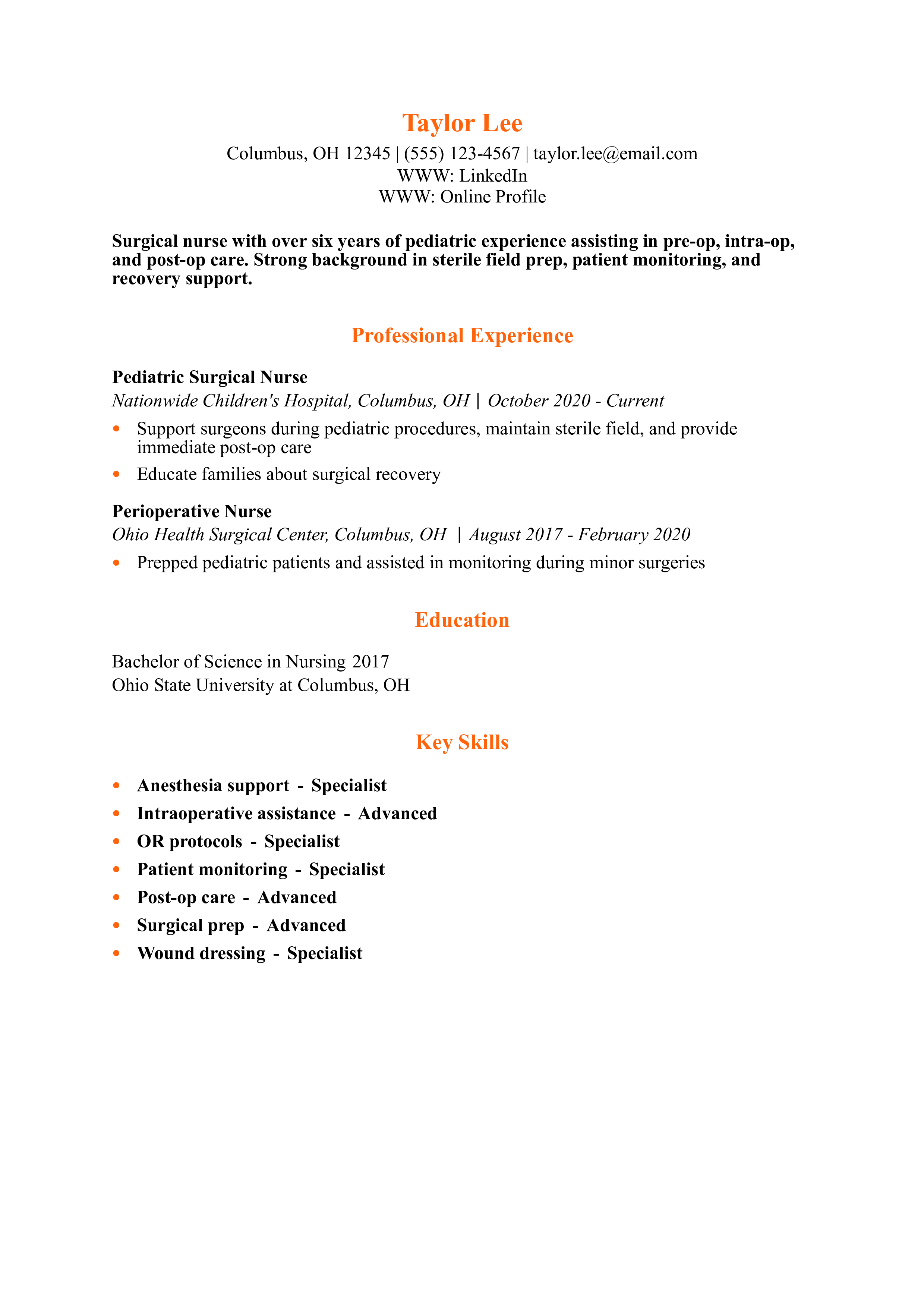
Why This Resume Is a Great Example
This resume gives insight into the full surgical process and distinguishes between pre-, intra-op, and post-op responsibilities.
Key Tips
Clarify your role in each surgical phase to show your full contribution. Find out more about experience breakdowns.
Pediatric Telephone Triage Nurse Resume
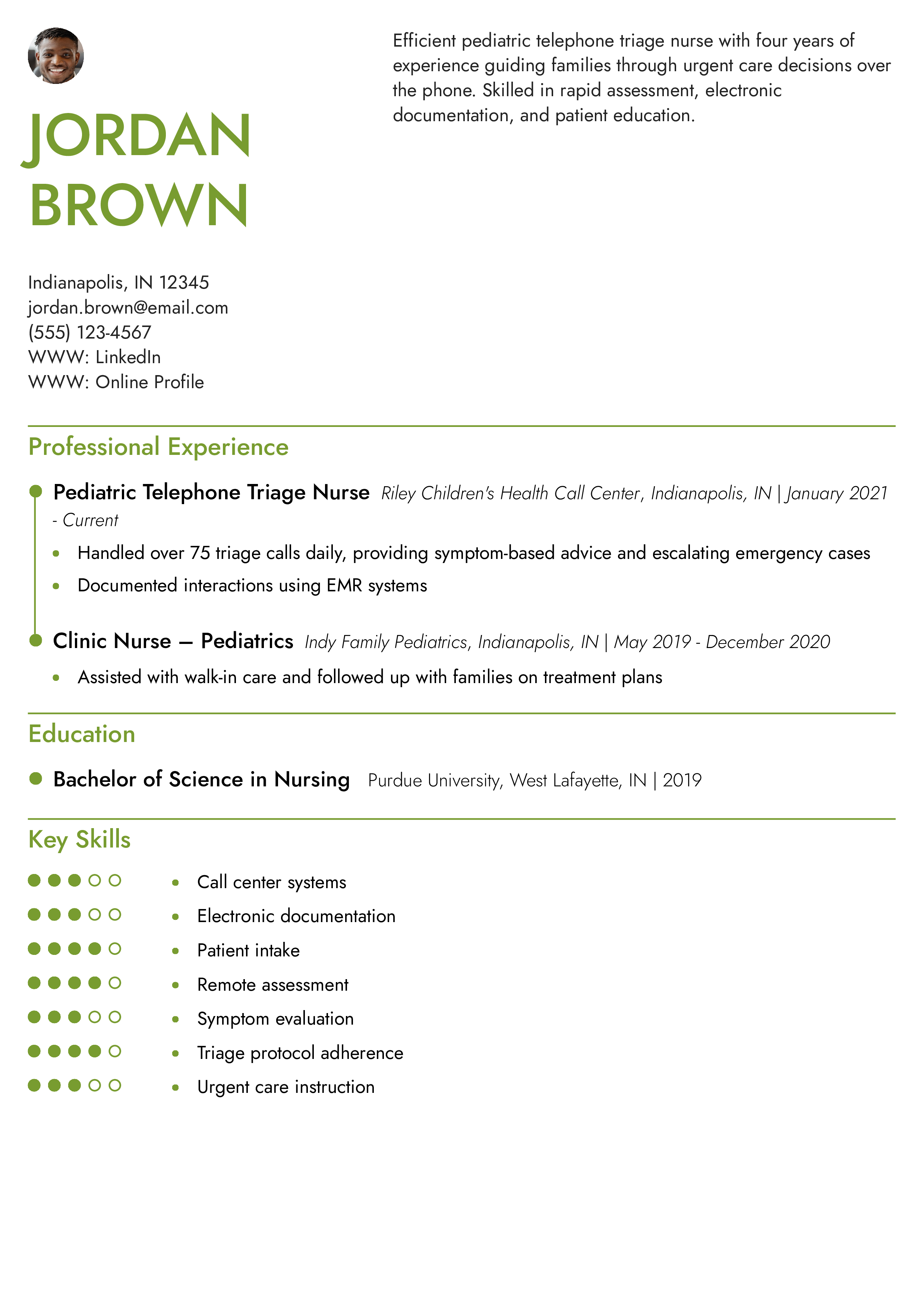
Why This Resume Is a Great Example
This resume captures the communication-heavy side of nursing. It shows how nurses support care even outside clinical environments.
Key Tips
When applying for remote or phone-based roles, show how you adapt nursing judgment to non-visual settings. Explore more about creating a resume interests section.
Pediatric Nurse Case Manager Resume
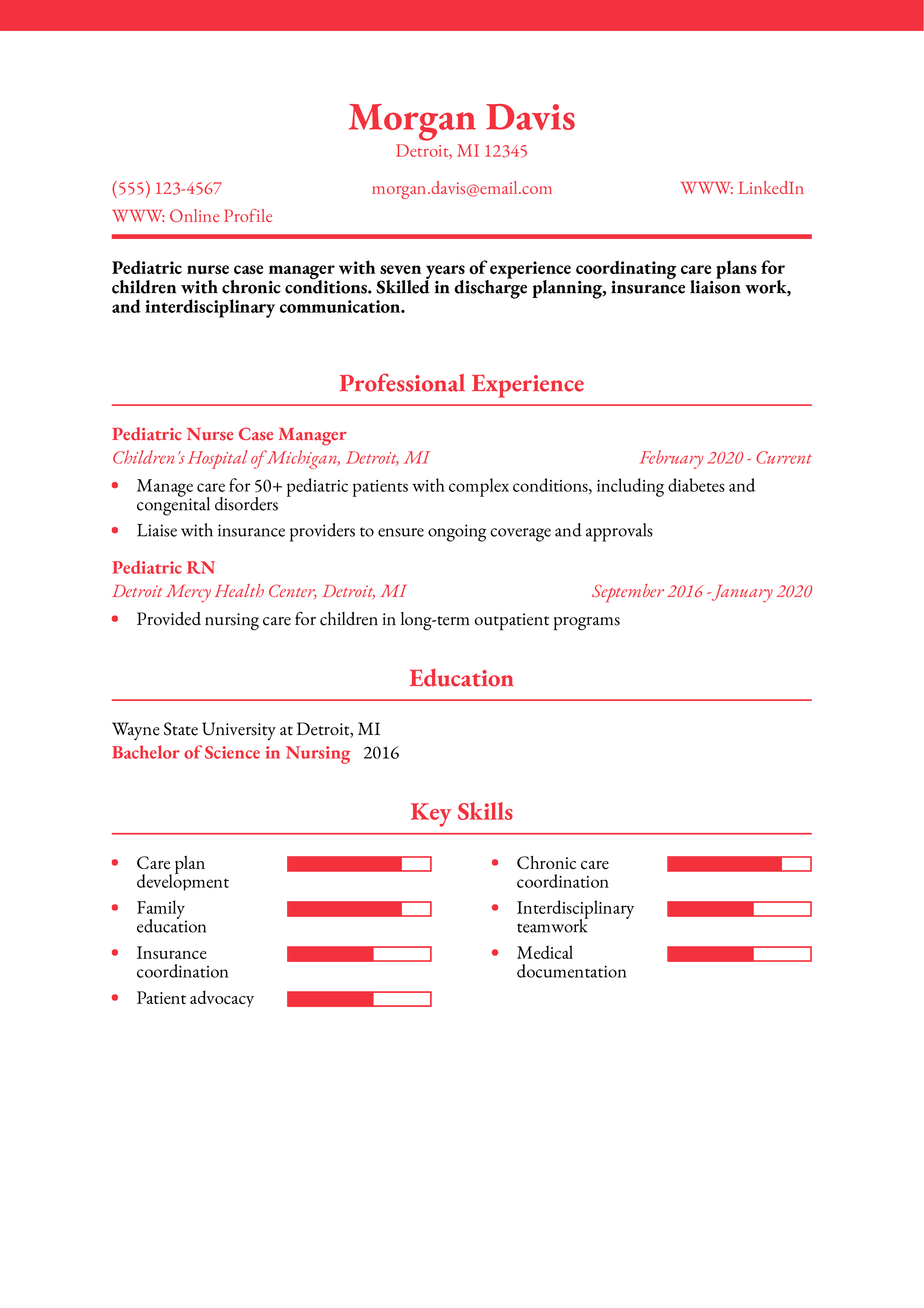
Why This Resume Is a Great Example
This resume is effective because it transitions clinical expertise into care coordination, showing leadership and attention to continuity of care.
Key Tips
List outcomes of your case management efforts, like reduced readmissions or increased treatment adherence. Read more about how to list your volunteer efforts.
Pediatric Behavioral Health Nurse Resume
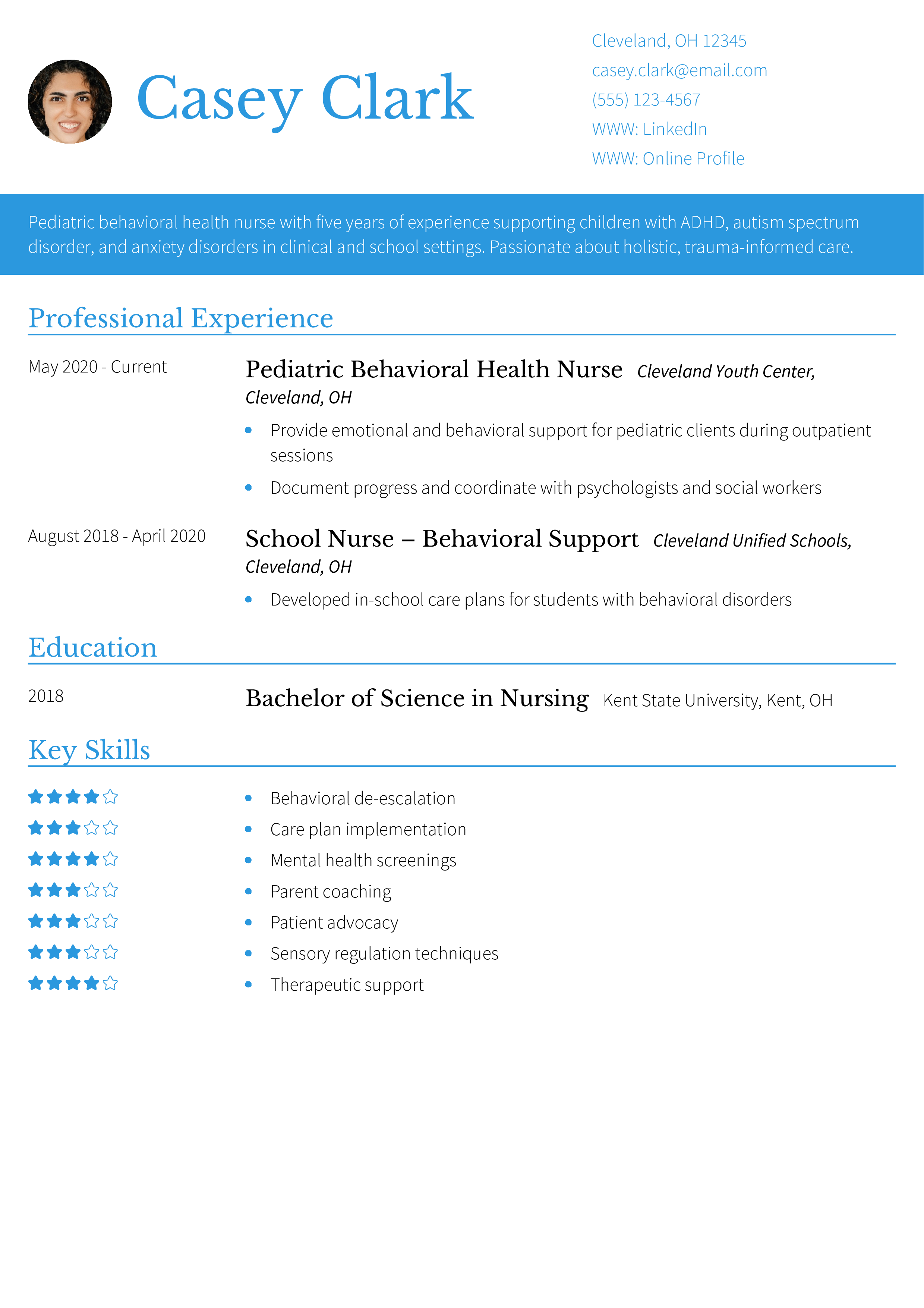
Why This Resume Is a Great Example
This resume stands out because it focuses on pediatric behavioral care, a niche but growing area of nursing. The language reflects empathy and professionalism.
Key Tips
Use job-specific phrases like “trauma-informed care” to highlight modern, in-demand skills. Get more examples of how to list your soft skills.
Pediatric Immunization Nurse Resume
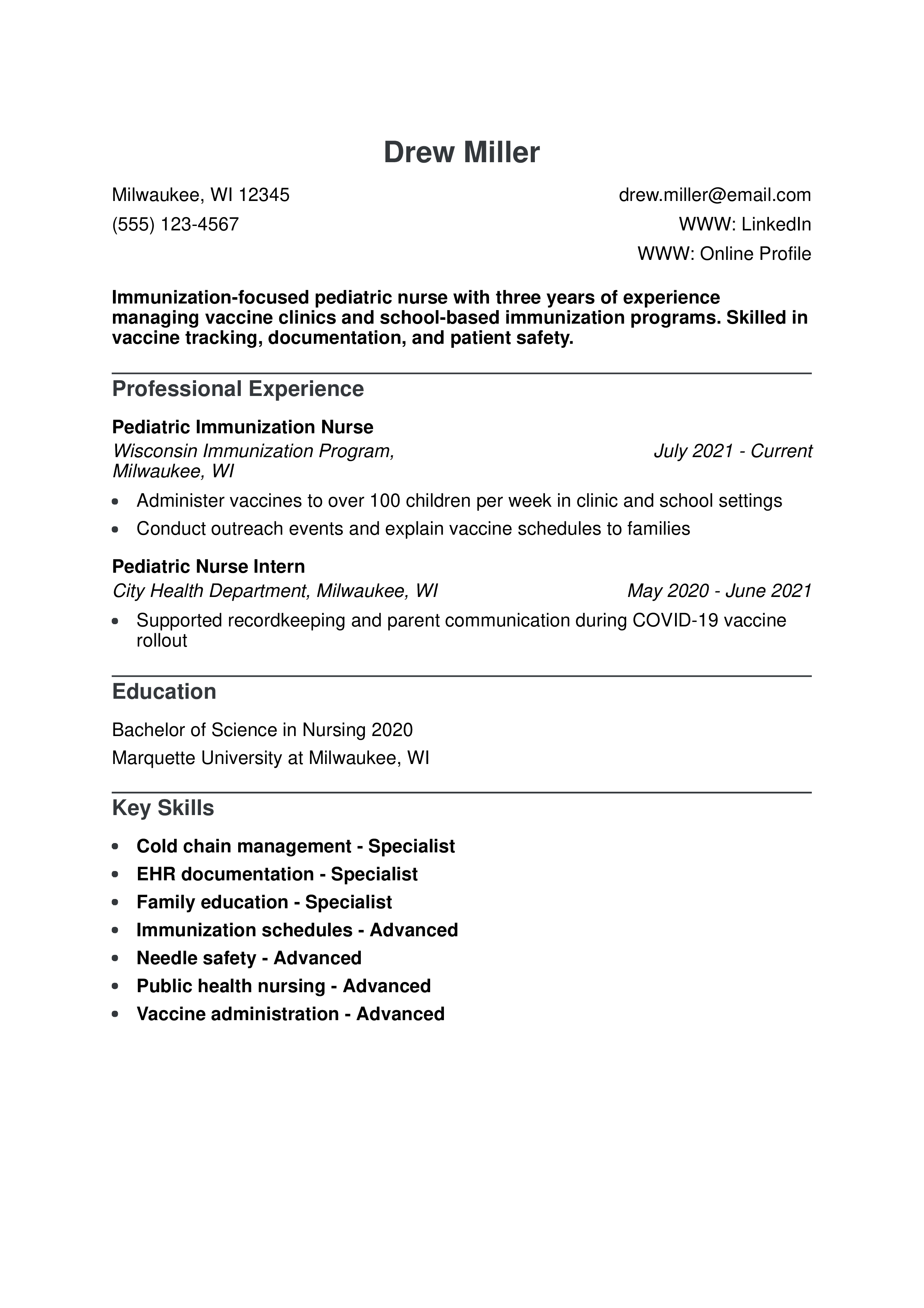
Why This Resume Is a Great Example
This resume targets immunization-specific roles, emphasizing efficiency, safety, and public education, key components of public health nursing.
Key Tips
Use your resume to show scale and outreach — how many patients you saw or communities served. Read more here about listing your education on your resume.
Pediatric Infusion Nurse Resume
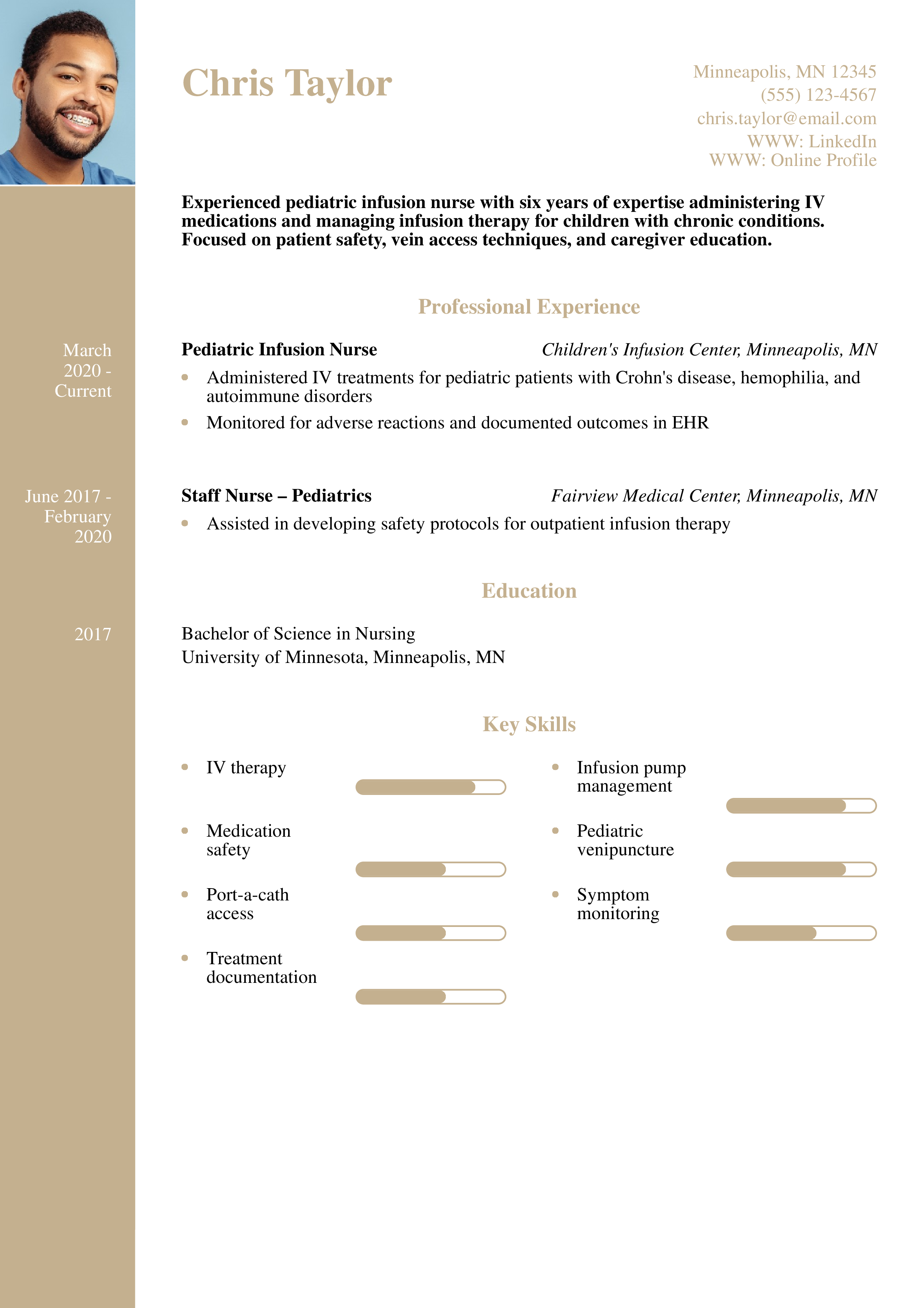
Why This Resume Is a Great Example
This resume demonstrates a highly technical skill set in pediatric infusion care, backed by clear experience in both hospital and outpatient settings.
Key Tips
Use medical terminology accurately to show competency in complex procedures. See how to describe treatments and technologies.
Pediatric Float Nurse Resume
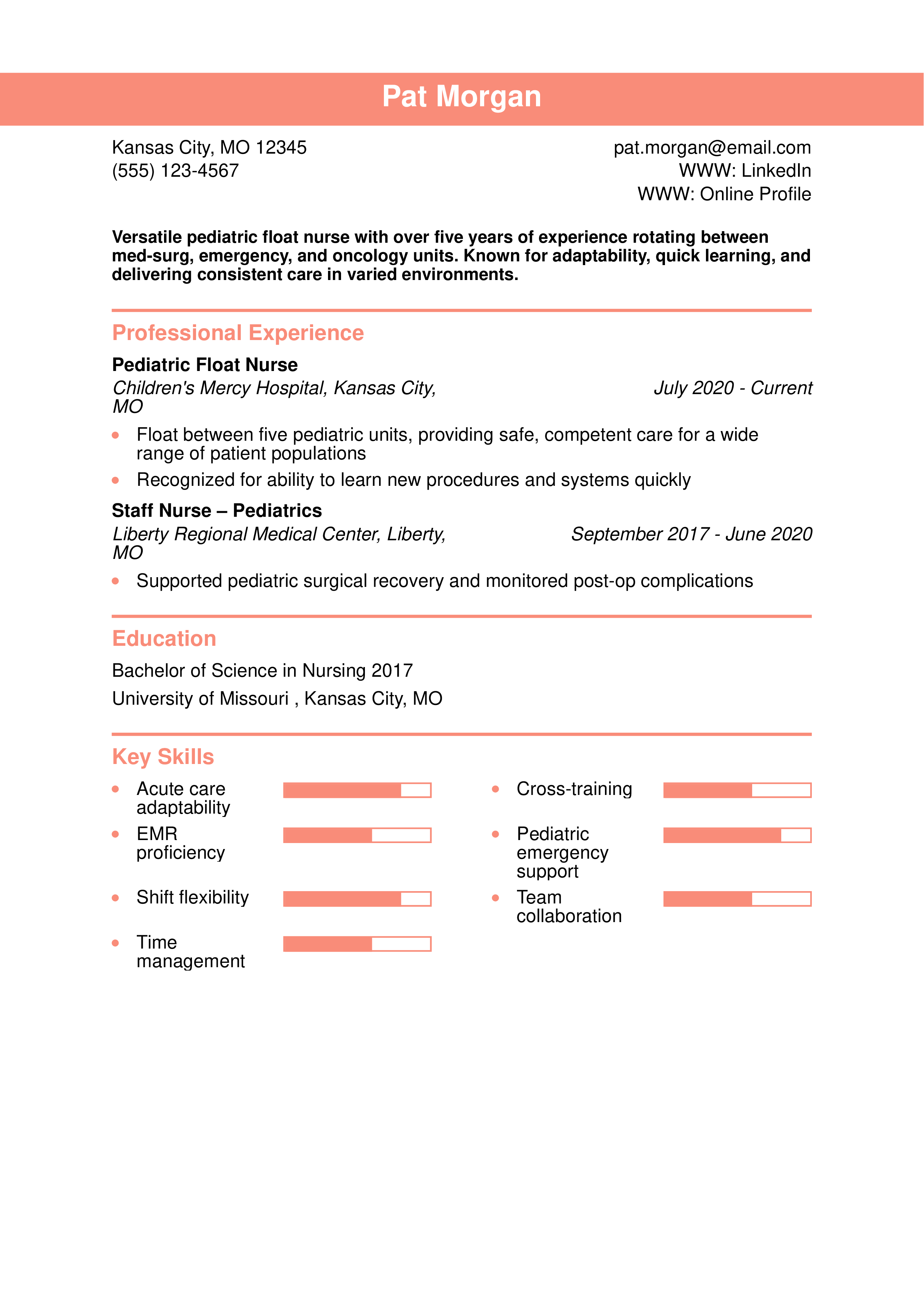
Why This Resume Is a Great Example
This resume shows strength in flexibility, a vital trait for float nurses. The ability to adjust to different units while maintaining quality care is highlighted.
Key Tips
Mention how many units or departments you’ve worked in—this showcases range. This guide will help you communicate versatility.
Pediatric Research Nurse Resume
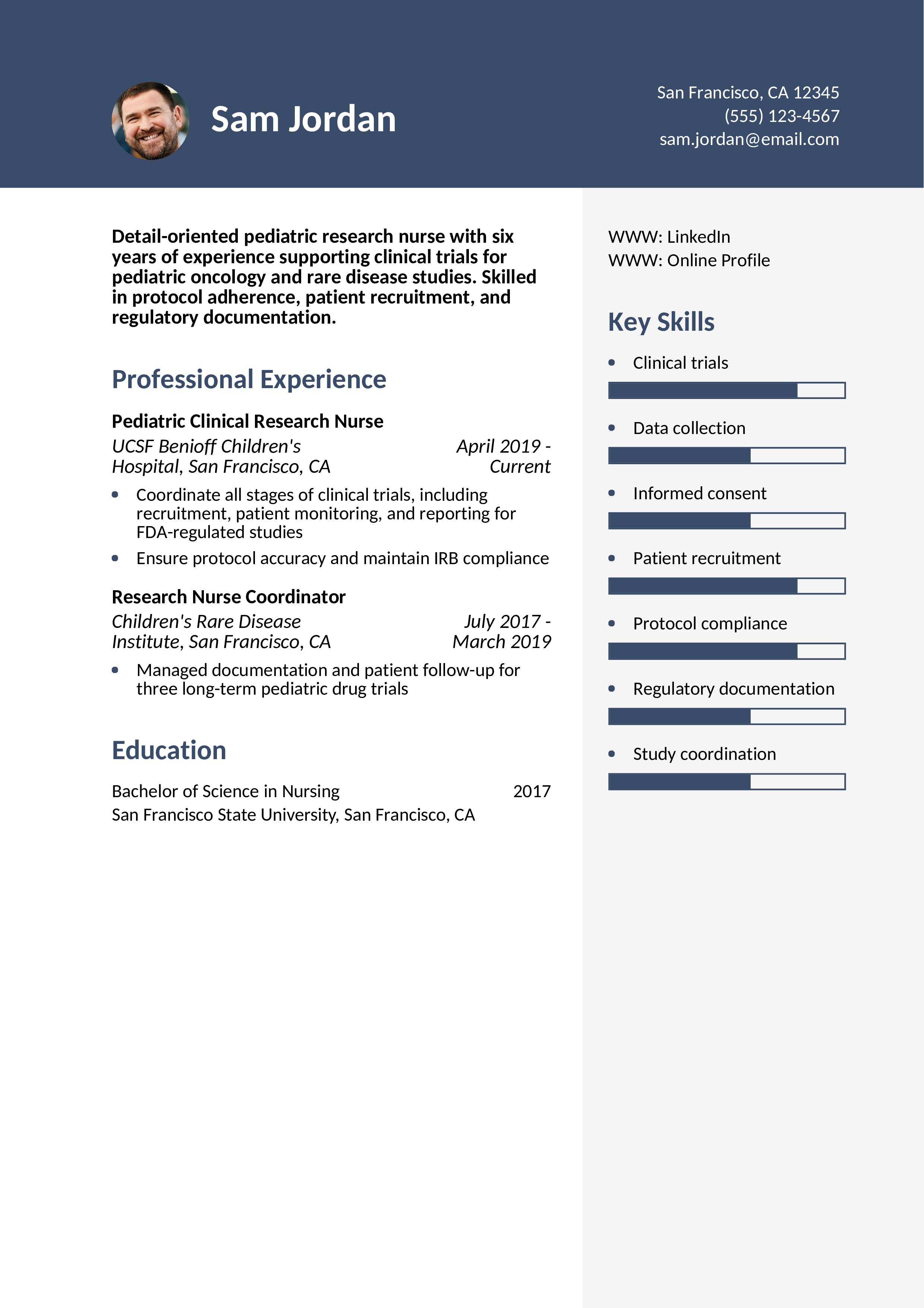
Why This Resume Is a Great Example
This resume clearly transitions from clinical work into the research space, emphasizing technical documentation and regulatory experience that are critical in research roles.
Key Tips
If you work in research, highlight compliance and ethics alongside clinical care. Learn how to show your publications on a resume.
Pediatric Sedation Nurse Resume
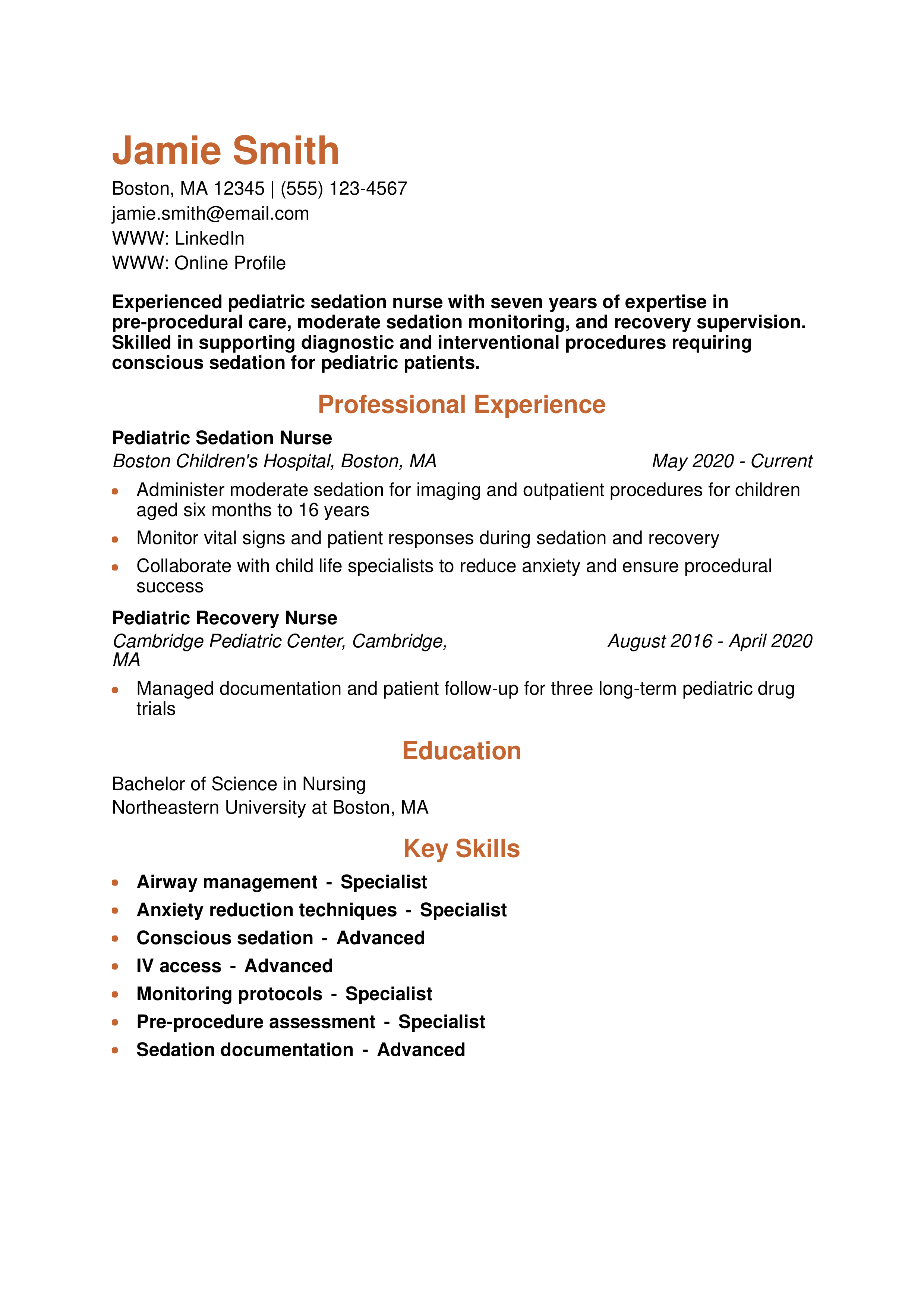
Why This Resume Is a Great Example
This resume focuses on the sedation-specific skills necessary in procedural pediatric care. It emphasizes safety, teamwork, and family support before and after procedures.
Key Tips
Include your role in managing sedation safety and airway concerns — these are key when applying for this specialty.
Pediatric Endoscopy Nurse Resume
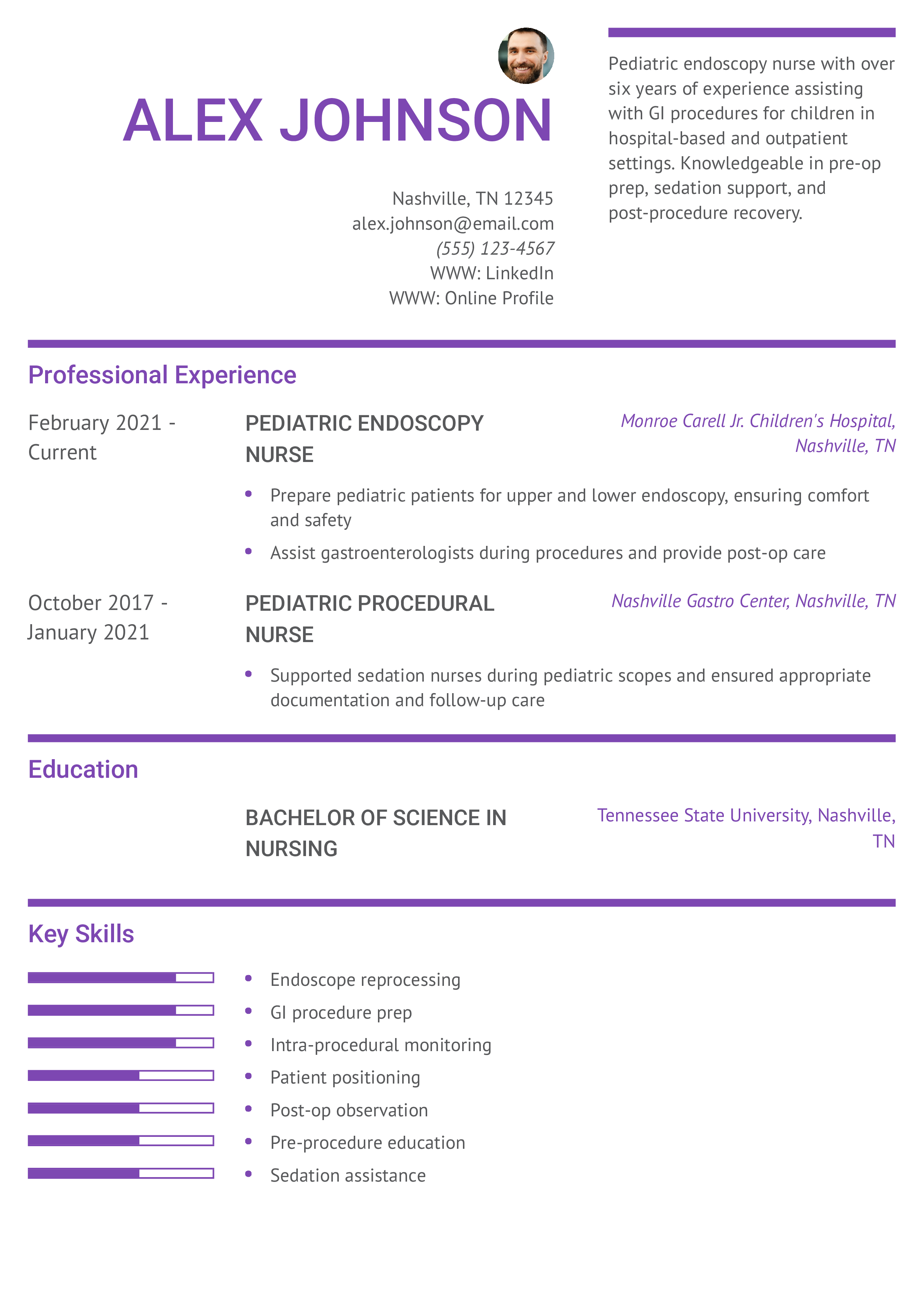
Why This Resume Is a Great Example
This resume effectively highlights endoscopy-specific clinical support skills and demonstrates proficiency in fast-paced procedural environments.
Key Tips
Mention your comfort with scope handling and sterile prep to help recruiters see your experience with this equipment.
Pediatric Neurology Nurse Resume
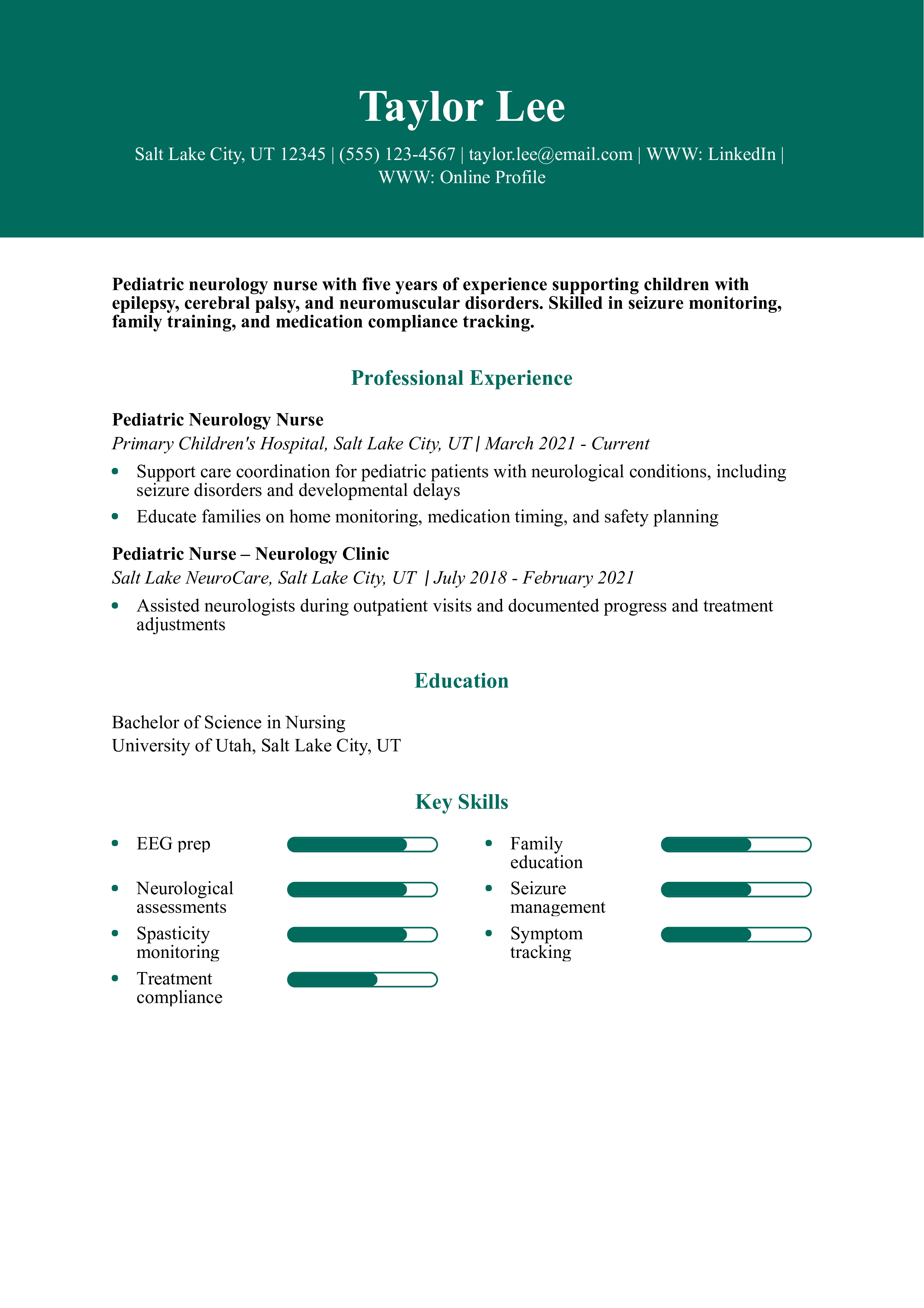
Why This Resume Is a Great Example
This resume is strong because it focuses on long-term neurological care and shows dedication to both patient outcomes and caregiver support.
Key Tips
Include specific diagnoses or conditions you’ve worked with to tailor your resume to neurology roles better.
Pediatric Hematology Nurse Resume
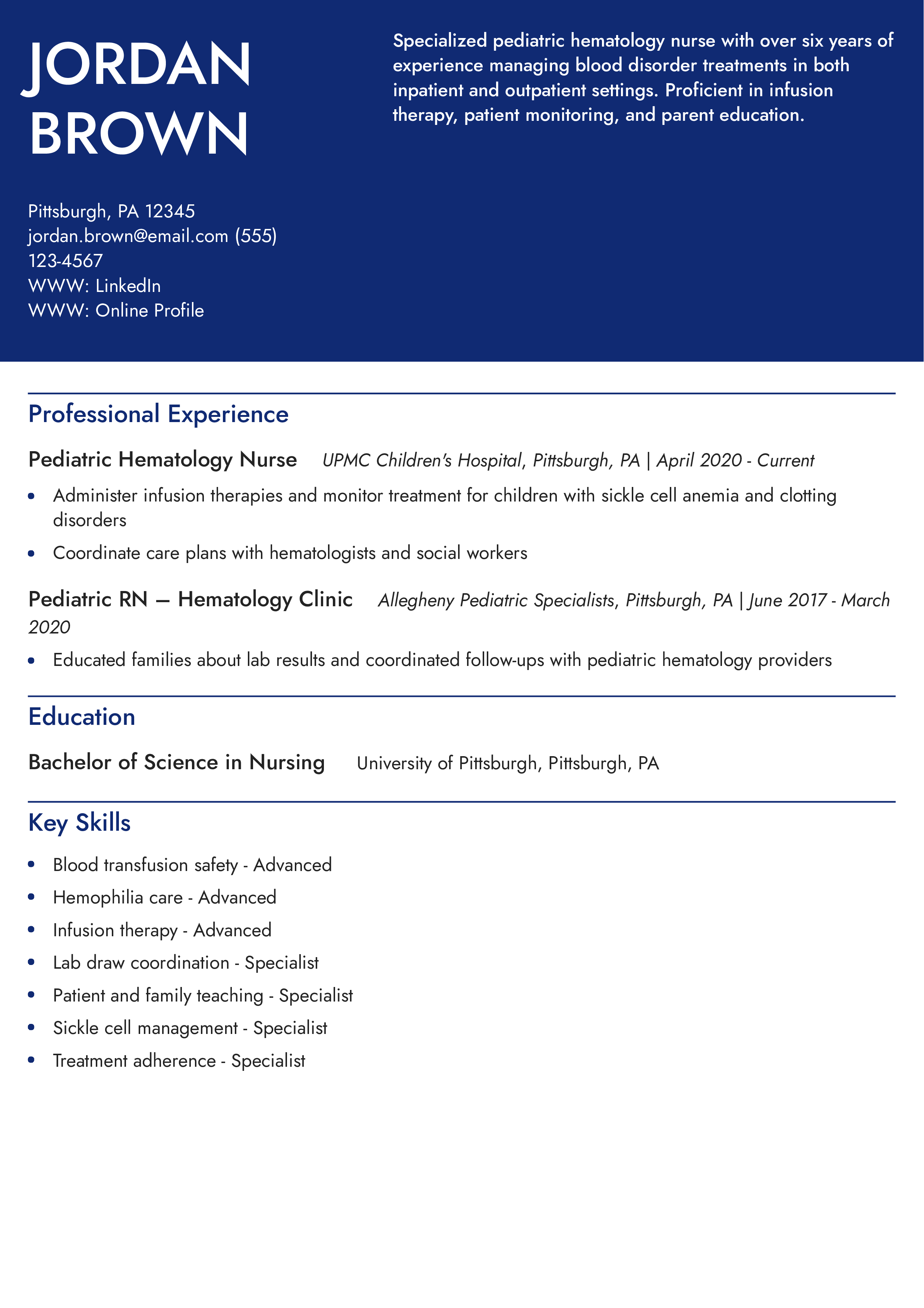
Why This Resume Is a Great Example
The resume is effective because it emphasizes chronic care, education, and treatment adherence — key elements of hematology nursing.
Key Tips
If you work in a specialty clinic, use condition-specific terms (like “sickle cell” or “hemophilia”) to highlight your niche.
Pediatric Perioperative Nurse Resume
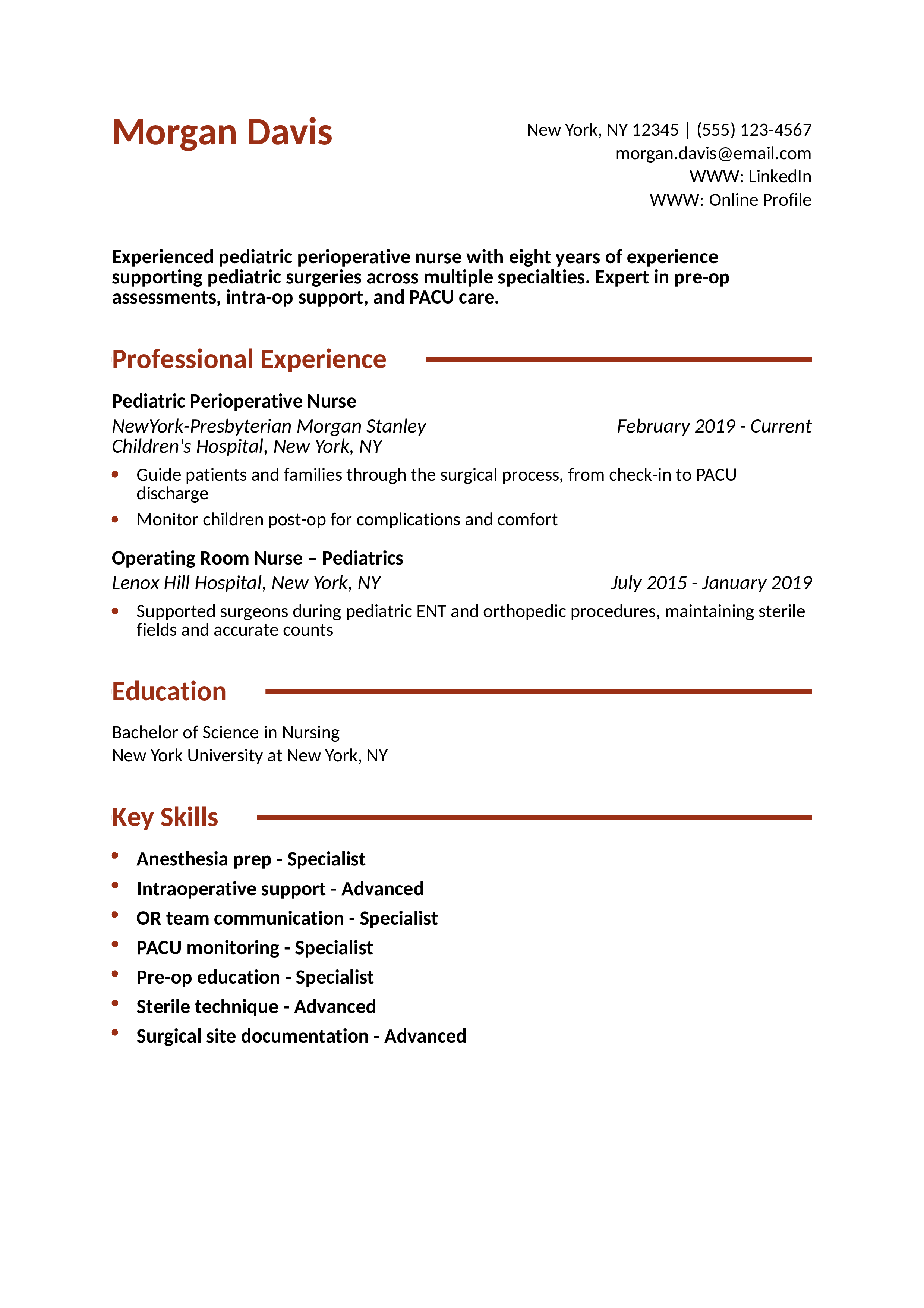
Why This Resume Is a Great Example
This resume captures the full scope of perioperative responsibilities in pediatric settings and reflects a strong command of surgical safety and efficiency.
Key Tips
Outline your role across surgical phases — pre-op, intra-op, and PACU — to show how you contribute to the full continuum of care.
Our templates are crafted by professional resume writers to make creating your resume quick, easy, and effective.
- Professional resume template downloads
- Customized cover letter generation
- AI resume writing support
- Career-building resources and advice
Pediatric Nurse Text-Only Resume Templates and Examples
How To Write a Pediatric Nurse Resume
1. Craft an outstanding profile with a summary of your pediatric nurse qualifications
Lead your resume with a compelling snapshot of your career to grab the attention of the hiring manager and entice them to read further. Start with an opening sentence that lists your title, years of health care experience, and three to four clinical skills that align with the job posting. In the subsequent sentences, highlight unique aspects of your background as a medical professional.
For example, employers value candidates who have the clinical expertise to succeed as a pediatric nurse, but they also want to see you’re the right fit for the organization’s work culture. Patient-centered care is incredibly important within the health care landscape, so it may be advantageous to emphasize your background in patient advocacy, especially if this aligns with the hospital’s mission statement.
Senior-Level Profile Example
A Pediatric Nurse with 10+ years of experience specializing in patient education, telemetry, acute care, and medical-surgical support. A strong history of identifying opportunities to enhance clinical operations and improve quality care metrics within high-volume hospital environments.
Entry-Level Profile Example
A Pediatric Nurse with entry-level experience specializing in patient care, activities of daily living (ADLs), clinical operations, and HIPAA regulations. Adept at building relationships with patients and coordinating with multidisciplinary teams to drive positive patient outcomes.
2. Create a powerful list of your pediatric nurse experiences
Leverage numbers and metrics throughout your career to differentiate you from the competition during your job search. Within a clinical setting, focus on specifying the nurse-to-patient ratio and the number of beds in your unit. This helps to establish context for other insights, as it’s much harder to improve the length of stay or positive outcomes when dealing with high occupancy levels and patient volume.
As you craft your bullet points, also demonstrate your ability to educate patients and families with empathy and compassion. These patients are often dealing with life-threatening medical conditions, and communicating treatment options requires a level of emotional intelligence that is unique and impossible to quantify with numbers.
Senior-Level Profile Example
Pediatric Nurse, Advent Health Center, Miami, FL May 2016 – Present
- Provide pediatric nursing care in a medical center with 150-beds and a 1:6 patient ratio and coordinate with medical teams to maximize the efficiency of clinical operations, resulting in a 10% reduction in the average length of stay
- Improve the timeliness of patient care delivery and reduce average wait times from 45-minutes to 35-minutes by streamlining clinical workflows
- Drive initiatives to enhance the delivery of patient-centered care, deliver education to patients and families and serve as patient advocate throughout treatment
Entry-Level Profile Example
Pediatric Nurse, Manhattan Medical Center, New York, NY May 2021 – Present
- Provide treatment to patients in a 40-bed pediatric care unit, conduct patient assessments, monitor vital signs, and interface with patients and families to obtain medical history and provide education on diagnosis and treatment plans
- Coordinate with physicians and multidisciplinary teams to develop and implement individual care plans in accordance with patient needs and hospital care standards
- Manage electronic medical records (EHR) and create reports for physicians on symptoms, pain levels, vital signs, and changes in patient conditions
3. Outline your education and pediatric nurse-related certifications
In addition to your degree, several certifications can be relevant in the pediatric nursing field and can amplify your resume. For example, a Certified Pediatric Nurse (CPN) is offered by the Pediatric Nursing Certification Board (PNCB). It is designed for registered nurses (RNs) with experience in the pediatric specialty. If you’re a neonatal nurse, something like a Registered Nurse-Neonatal Intensive Care Nursing (RNC-NIC) could look excellent on your resume. It can prove your expertise in neonatal intensive care nursing.
These certifications can help you stand out from other candidates when applying for jobs; however, others may also be relevant depending on the specific job listing. Be sure to include any that may be useful (or impressive) to your prospective employer, even if they’re not required for the job.
Education
Template
- [Degree Name]
- [School Name], [City, State Abbreviation] | [Graduation Year]
Example
- Bachelor of Science (B.S.) Nursing
- University of San Diego, San Diego, CA September 2013 – May 2017
Certifications
Template
- [Certification Name], [Awarding Organization], [Completion Year]
Example
- Pediatric Nursing (RN-BC), ANCC Pediatric Nursing Board | June 2017
- Certified Pediatric Nurse (CPN), the American Nurses Credentialing Center (ANCC) | April 2018
4. Make a list of your pediatric nurse-related skills and proficiencies
Organizations often utilize applicant tracking systems (ATS) to scan resumes for potential keywords during the initial phase of the hiring process. To get your document into the hiring manager’s hands, incorporate appropriate key terms that match the position you’re applying for. Although you will experience some degree of variance across different pediatric nursing positions, specific keywords will be widely applicable within the field.
Below, you’ll find a list of potential keywords you may encounter throughout your job search.
| Key Skills and Proficiencies | |
|---|---|
| Activities of daily living (ADLs) | Acute care |
| Case management | Clinical operations |
| CPN | Electronic health records (EHR) |
| HIPAA | Medication administration |
| Oncology | Patient advocacy |
| Patient-centered care | Patient discharge |
| Patient education | Patient intake |
| Patient management | Pediatric advanced life support (PALS) |
| Pediatric care | Pediatric nursing |
| Quality Care Metrics (QCM) | Telemetry |
| Triage | Written communication |
How To Pick the Best Pediatric Nurse Resume Template
When choosing a resume template as a pediatric nurse, look for a design that is clean and professional-looking. Avoid templates that are too flashy or colorful, as they can be distracting and take away from the content of your resume. Choose an elegant, single-column format that allows you to organize your experience and qualifications effectively. Above all other considerations, your resume should demonstrate your ability to provide high-quality care to children and their families.
Frequently Asked Questions: Pediatric Nurse Resume Examples and Advice
What makes a Pediatric Nurse CV stand out to recruiters?-
A Pediatric Nurse CV stands out by clearly demonstrating your expertise and achievements in the field. Be sure to use measurable outcomes and include quantifiable results wherever possible. Show how your contributions directly impacted the company, whether it’s through cost savings, operational efficiency, or revenue growth. Keep the layout clean and easy to navigate, focusing on relevant experience.
What are common action verbs for pediatric nurse resumes?-
Many job seekers run short on action verbs while building out the professional experience section of their resumes. This is especially true for health care-related documents, as there are a limited number of verbs to describe one’s achievements accurately. To help diversify your usage of action verbs, refer to this list throughout your resume to keep your content fresh and compelling.
| Action Verbs | |
|---|---|
| Administered | Analyzed |
| Collaborated | Conducted |
| Coordinated | Delivered |
| Developed | Diagnosed |
| Drove | Enhanced |
| Identified | Implemented |
| Improved | Interfaced |
| Managed | Oversaw |
| Partnered | Performed |
| Provided | Resolved |
How do you align your resume with a pediatric nurse job description?-
According to the Bureau of Labor Statistics, the average annual salary for pediatric nurses was $81,220 in May 2022. In this type of clinical role, you’ll be administering treatments to newborns, infants, adolescents, and teens in both operating room and acute care environments. To propel your nursing career forward, you need to build an accomplishment-driven resume that highlights the strongest aspects of your health care experience.
Aligning your resume with the job description often makes all the difference in whether a hiring manager brings you in for an interview. Potential employers won’t be impressed by generic documents filled with vague job responsibilities and empty platitudes. They want to understand your unique experience within the health care field and how your expertise matches their organizational needs.
Before building your pediatric nurse resume, evaluate what the organization is looking for in a candidate. If you’re planning on working within an oncology unit, focus on your clinical experience in this area directly in your professional profile. When an organization emphasizes patient-centered care, feature accomplishments that showcase your experience serving as a patient advocate.
What is the best pediatric nurse resume format?-
When creating a resume for a pediatric nurse job, it’s important to choose a format that highlights your skills and experience in the industry. The reverse chronological format is the most commonly used format and is ideal for those with a solid work history in the industry. This approach lists your work experience, starting with your most recent job and working backward. It also demonstrates your career progression over time.
How long should my pediatric nurse resume be?-
A pediatric nurse resume should typically be one page long, especially if you have less than 10 years of experience. A two-page resume may be appropriate for seasoned professionals with extensive achievements, but only if every detail adds value to your candidacy. Focus on conciseness and relevance by tailoring your resume to the job you're applying for. Highlight your most impactful accomplishments, certifications, and key skills rather than listing every career detail.
Including work experience from the last 10 to 15 years is generally recommended. Older positions can be summarized briefly or omitted unless highly relevant. Remember, your resume is a snapshot of your qualifications, not an exhaustive career history. Prioritize clarity and impact to make a strong impression.
Craft your perfect resume in minutes
Get 2x more interviews with Resume Builder. Access Pro Plan features for a limited time!

A good way to finish your resume before sending it off to your prospective employer is to add a cover letter. This is a great opportunity to speak directly to the hiring manager and make a case for why you’re the best candidate for the job.
Remember, a cover should be fairly succinct. Don’t exceed more than 400 words — 250 to 300 is ideal. For more information and ideas, view our nurse cover letter examples.